Buying a Car in Canada (2026): How to Avoid "Curb Siders" & Kijiji Scams
You are scrolling through Kijiji or Facebook Marketplace at 2 AM. You see it: a 2018 Honda Civic with only 60,000 km, priced $4,000 below the market average. The seller, "Mike," says he is moving abroad and needs it gone by Tuesday.
Your heart races. You think you found the deal of the century.
Stop. You have likely found a "Curbsider."
In Canada, buying a used car privately is the "Wild West." Unlike buying from a registered dealer, there is zero consumer protection if you buy a lemon from a private seller. If the engine explodes ten minutes after you hand over the cash, that money is gone forever. This guide is a deep dive into the world of Canadian car scams, specifically designed to protect your hard-earned money and ensure your next vehicle isn't a "rebuilt wreck."
What is a "Curbsider"?
A Curbsider is an unlicensed car dealer who poses as a private seller to avoid laws, taxes, and accountability. They buy wrecked, high-mileage, or defective cars at auctions, fix them cosmetically (the "lipstick on a pig" approach), and sell them to unsuspecting buyers on Kijiji or Marketplace.
According to OMVIC (Ontario Motor Vehicle Industry Council), as many as 25% to 30% of private car ads are actually placed by curbsiders. They "flip" cars without ever registering the vehicles in their own name, a process known as "curbing the title."
Why is this dangerous for you?
- No Recourse: If they rip you off, provincial regulators cannot help you.
- Lien Traps: They often sell cars with unpaid loans. The bank can repossess your new car even if you paid the seller in full.
- Odometer Fraud: The mileage is almost always fake to inflate the price.
Free VIN Check" Hacks
Most Canadians pay $60+ for a CARFAX report immediately. Don't do that yet. Use these free or low-cost methods first to filter out the scams. If a car passes these tests, then you can invest in the full report.
1. The "Google Image" VIN Search Strategy
Before you even leave your house to meet "Mike," ask for the VIN (Vehicle Identification Number).
- The Hack: Copy the VIN and paste it directly into Google Images.
- The Reality: If that car was ever sold at a salvage auction like Copart or Impact Auto, the auction photos will stay indexed on the web. You might see a photo of your "perfect" Civic looking like a crushed soda can in a junkyard from six months ago.
2. CPIC: The Stolen Vehicle Database
The Canadian Police Information Centre (CPIC) maintains a public, free database.
- Action: Go to the CPIC website and enter the VIN. It will tell you instantly if the vehicle is currently reported as stolen. You would be surprised how many "curbsiders" try to sell "re-vinned" stolen cars to unsuspecting newcomers.
3. IBC VIN Verify: The Insurance Blacklist
The Insurance Bureau of Canada (IBC) has a "VIN Verify" tool. This is 100% free and checks if a car has been branded as:
- Flood Damaged
- Fire Damaged
- Irreparable (Write-off)
If the VIN shows up here, block the seller immediately. There is no "good deal" on a flood-damaged car; the electronics will fail within months.
4. Detecting Odometer Rollbacks (The "Seat Belt" and "Pedal" Tests)
Curbsiders use "Odometer Correction" tools that cost $150 on AliExpress. They can turn a 300,000 km Uber car into a 70,000 km "grandma's car" in minutes.
How to spot it without a computer:
- Check the Seat Belt Tag: Pull the driver's seat belt out to its full length. Near the bottom anchor, there is a fabric tag with a manufacturing date. If the car is a 2018 model but the seat belt was made in 2024, the car was in a massive accident and the belt (a one-time use safety item) was replaced.
- The Brake Pedal Wear: A car with only 50,000 km should have sharp, crisp rubber ridges on the brake and gas pedals. If the rubber is worn smooth down to the metal, that car has likely done 200,000+ km, regardless of what the dashboard says.
- Steering Wheel Texture: High-mileage cars have "shiny" steering wheels where the leather or plastic has been worn down by hand oils over years. A low-mileage car should still have a "matte" or textured finish.
More Financial Resources
- Pillar: Master Benefit Payment Calendar 2026
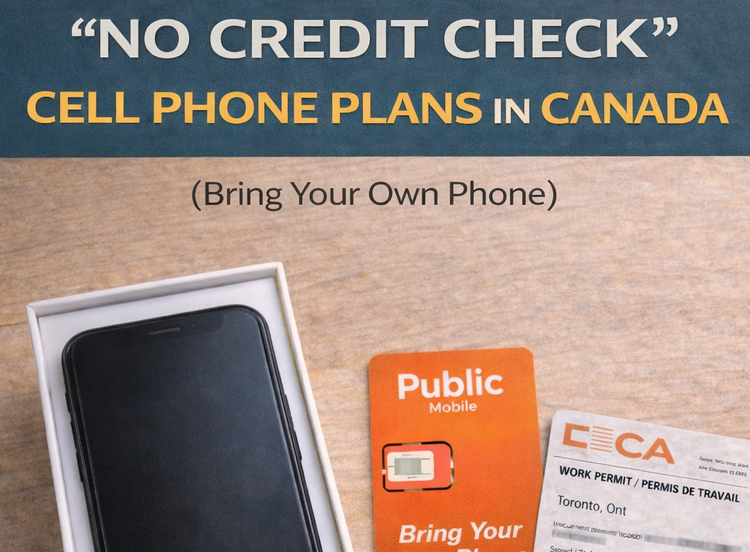
- No Credit Check Cell Phone Plans (2026)
- Advanced Canada Workers Benefit (ACWB) Dates
- GST/HST Credit Payment Schedule
- Ontario Trillium Benefit (OTB) Guide
- Canada Child Benefit (CCB) Payment Table
- Alberta Child and Family Benefit (ACFB) Dates
- Canada Disability Benefit (CDB) Schedule
The "Kijiji Problem": Modern Car Scams in 2026
The scams have evolved. In 2026, we are seeing "Hybrid Scams" where the seller uses AI-generated photos and fake "third-party" escrow services.
The "I'm a Soldier/Nurse" Scam
The seller claims they are being deployed or moving for a medical contract. They tell you the car is already "crated and ready for shipping" at a warehouse. They ask you to send money to a "Kijiji Protected Escrow" site.
- Fact: Kijiji does not have an escrow service. They do not ship cars. If someone asks for a deposit before you touch the steering wheel, it is a scam 100% of the time.
The "Fake Vehicle History" Scam
A buyer contacts you (if you are selling) or a seller (if you are buying) and says, "I don't trust CARFAX
- The Goal: The website is a phishing link designed to steal your credit card information. Always stick to CARFAX or the provincial UVIP.
Detailed Comparison: Dealer vs. Private vs. Curbsider
| Feature | Registered Dealer (OMVIC/AMVIC) | True Private Seller | Curbsider (Illegal) |
| Consumer Protection | Fully Protected (Compensation Fund) | None | None |
| All-In Pricing | Required by law | Negotiable | Too good to be true |
| History Disclosure | Mandatory | Optional (but recommended) | Likely falsified |
| Odometer Accuracy | Guaranteed/Verified | Personal Knowledge | Frequently rolled back |
| Recourse | Can sue/complain to regulator | Small Claims Court only | Seller disappears |
Provincial Paperwork: The "Lien" Danger
One of the biggest mistakes Canadians make is failing to check for liens. A lien is a legal claim on the car by a bank or lender because the previous owner owes money on it.
Ontario: The UVIP (Used Vehicle Information Package)
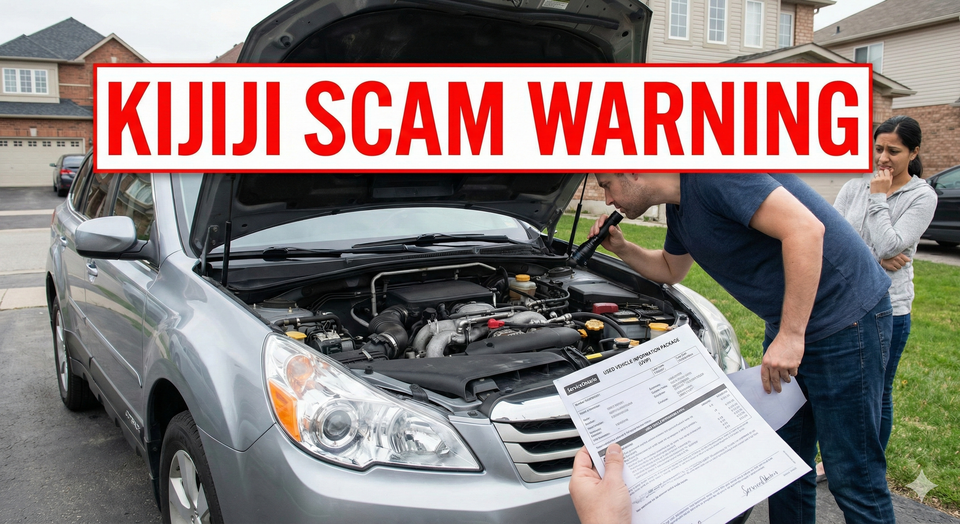
In Ontario, the seller is legally required to provide you with a UVIP.
- Check the Owner History: If the seller's name isn't on the UVIP, they are a curbsider.
- Check the Lien Section: If it says "Lien Found," do not buy the car until the seller provides a "Release of Lien" letter from the bank. If you buy it, the bank can take the car from your driveway tomorrow.
Alberta and BC: PPSR Checks
In Western Canada, you must perform a Personal Property Security Register (PPSR) check. This costs about $10-$20 and is the only way to ensure the car doesn't belong to a payday loan company or a bank.
The Ultimate "Safe Buy" Checklist (2026 Edition)
If you follow these 10 steps, you reduce your risk of being scammed by 99%.
- The Chat Test: Ask the seller: "Is the car still for sale?" If they reply: "Which one?", they are a curbsider with multiple listings.
- Verify the ID: Ask to see the seller's Driver's License. Compare the name and address to the Vehicle Ownership (the green/pink slip). If they don't match, walk away.
- No Parking Lot Meetings: Meet at their home address. If they insist on a Tim Hortons or a mall parking lot, they are hiding their identity.
- The "Cold Start" Test: Always meet the seller when the engine is cold. Touch the hood before they start it. If it’s warm, they might be hiding a "cold start" engine knock or smoke issue.
- Check the Fluids: Pull the oil dipstick. If the oil looks like "milky coffee," the head gasket is blown. If there are metal flakes, the engine is dying.
- The Tire Date Code: Look for a 4-digit number on the tire sidewall (e.g., "1223" means the 12th week of 2023). If the car has 20,000 km but the tires were made 5 years ago and are bald, the mileage is likely fake.
- Test Every Button: In 2026, electronics are expensive. Turn on the heated seats, the A/C, every window, and the sunroof. A broken sunroof can cost $2,000 to fix.
- The Highway Run: A car might feel fine at 40 km/h in a residential zone. Take it on the 401 or the Deerfoot. If the steering wheel vibrates at 100 km/h, the car has alignment or frame issues.
- Professional Inspection: Spend the $150 for a Pre-Purchase Inspection (PPI) at a mechanic you choose. If the seller says "I have my own mechanic," ignore them.
- The Money Transfer: Never pay cash. Use a Bank Draft and take a photo of the seller's ID next to the signed Bill of Sale.
Frequently Asked Questions (FAQ)
Q: Can I get my money back if I was scammed by a private seller?
A: Practically speaking, no. Unless you can find their real address and serve them for Small Claims Court, the money is gone. This is why "curbsiders" use burner phones and meet in parking lots.
Q: Does "As-Is" mean I have no rights?
A: In a private sale, almost every car is sold "As-Is." This means once the title transfers, the problems are yours. The only exception is if you can prove "Fraudulent Misrepresentation," which is very difficult and expensive to prove in court.
Q: Why is the price so low on some Kijiji ads?
A: Usually, it’s a "Rebuilt" title. The car was written off by an insurance company, bought for $500 at an auction, and slapped back together with cheap parts. These cars often have no airbags or structural weaknesses.
Q: How do I check if a car has a lien for free?
A: There is no 100% free lien check that is reliable. The Ontario UVIP ($20) or a CARFAX ($60) are the only ways to be sure. It is a small price to pay to avoid losing a $15,000 investment.
Q: What if the seller says they are selling it for a "friend"?
A: This is the #1 Curbsider excuse. Never buy a car from someone whose name is not on the ownership. You cannot legally transfer the title, and you might be buying a stolen vehicle.
Q: Is "No Credit Check" car financing a scam?
A: Not always, but the interest rates are often 25%+. If you are in this situation, you are better off buying a cheaper car for cash using this guide. If you need to fix your budget, check our guide on No Credit Check Cell Phone Plans to save money while you build your car fund.
How to Spot a Scammer
How to detect a car scammer in 30 seconds: Ask for a photo of the VIN and the Seller’s ID. If the name on the ID does not match the Vehicle Ownership (Registration), or if they refuse to meet at a residential address, it is a scam. Professional "Curbsiders" always use excuses like "selling for a cousin" or "moving away" to explain why the paperwork doesn't match.
About the Author
Jeff Calixte (MC Yow-Z) is a Canadian career researcher and digital entrepreneur who studies hiring trends, labour market data, and real entry-level opportunities across Canada. He specializes in simplifying the job search for newcomers, students, and workers using practical, up-to-date information.
Sources
- OMVIC: Illegal Act: Curbsiding and How to Avoid It
- CPIC: Canadian Police Information Centre - Stolen Vehicle Search
- IBC: Insurance Bureau of Canada - VIN Verify Tool
- ServiceOntario: Used Vehicle Information Package (UVIP) Guide
- CARFAX Canada: Odometer Fraud and Vehicle History Reports
Note
Official 2026 payment dates and benefit amounts are determined by the Canada Revenue Agency (CRA) and provincial governments. While we strive to keep this information current, government policies and schedules are subject to change without notice. All data in this guide is verified against official CRA circulars at the time of publication and should be treated as an estimate. We recommend confirming the status of your personal file directly via CRA My Account or by calling the CRA benefit line at 1-800-387-1193.