2026 Uber and SkipTheDishes Tax Guide: Every Deduction You Can Claim
The gig economy has fundamentally changed how Canadians earn, but the CRA’s tax code hasn't always made it easy to keep that money. If you are driving for Uber, delivering for SkipTheDishes, or courier-running for DoorDash in 2026, you are not an employee—you are a Small Business Owner. This distinction is the difference between losing 30% of your income to taxes and keeping almost every cent you earn.
The "Street Angle" for 2026 is that most gig workers are "Self-Garnishing" their own wages by failing to track the "Micro-Deductions." While everyone remembers gas and car repairs, the most successful drivers in 2026 are claiming everything from their Spotify Premium subscription (as a business tool for passenger comfort) to dashcam subscriptions and data plan "Over-Allocations." If you aren't treating your vehicle like a mobile office, you are paying the government for the privilege of working.
As a vital branch of our Canada Payment Guide, this deep dive identifies every legal deduction for 2026, provides the "Mileage Log" strategy to survive an audit, and reveals the "GST/HST Registry" trap that catches thousands of new drivers.
1. The 2026 Gig-Worker Deduction Master List
What can Uber and SkipTheDishes drivers deduct from their taxes in Canada for 2026? As a self-employed contractor, you can deduct any reasonable expense incurred to earn income. This includes Vehicle Expenses (gas, insurance, maintenance, and lease payments) based on the percentage of business use, Equipment (insulated bags, phone mounts, dashcams), and Operating Costs (a portion of your cell phone plan, home office space for bookkeeping, and administrative fees like background check costs). The key is maintaining a valid mileage log and keeping all digital or physical receipts to prove the business connection of each expense.
The 2026 Gig-Worker Expense & Audit Checklist
Stop Leaving Tips on the Table for the CRA.
Most Uber and Skip drivers lose over $2,400 a year simply because they forget to track "Micro-Deductions" like data plan percentages and cleaning supplies. Instead of a complex spreadsheet, use this master checklist to ensure you are 100% audit-proof.
Copy these categories into your digital notes or a dedicated tracking sheet to maximize your 2026 refund.
I. Vehicle Expenses (Percentage-Based)
These are the big-ticket items. Remember, you can only claim the business portion of these costs based on your total kilometers driven.
- Fuel (Gas/Electricity): Every liter of gas or kWh of electricity used while "online" or driving to a pickup.
- Monthly Insurance: The portion of your premium dedicated to commercial or rideshare use.
- Maintenance & Repairs: Oil changes, winter tire swaps, brake pads, and wiper blades.
- Car Wash & Detailing: Necessary for keeping high passenger ratings in Uber and Lyft.
- Lease or Loan Interest: Only the interest portion of your car payment is deductible (not the principal).
- Registration & Licensing: Annual plate stickers, commercial driver permits, and 407 ETR fees for business trips.
- Parking: Fees paid while waiting for orders or at client sites (Note: Parking tickets and speeding fines are never deductible).
II. The "Mobile Office" (Equipment)
These items are often 100% deductible if they are used exclusively for your delivery or rideshare work.
- Professional Delivery Bags: High-quality insulated pizza bags or catering bags required for SkipTheDishes and DoorDash.
- Smartphone Hardware: Heavy-duty car mounts, high-speed USB-C cables, and 20,000mAh portable power banks.
- Safety Gear: Dual-facing dashcams (an essential defense for insurance and safety) and high-visibility vests for night deliveries.
- Vehicle Protection: Heavy-duty rubber floor mats to protect the interior from salt and snow during Canadian winters.
III. Operating & Connectivity
- Cell Phone Data: The percentage of your 5G/6G data plan used specifically for the driver apps.
- Music Subscriptions: Spotify, SiriusXM, or Apple Music used specifically to provide a better experience for passengers.
- Roadside Assistance: Your annual CAA or specialized roadside coverage fee for commercial vehicles.
- Administrative Fees: Costs for background checks (Checkr/Triton) and bank fees if you maintain a dedicated business account.
IV. The 2026 Audit Shield (Mandatory Logs)
If the CRA audits you, these are the three numbers they will ask for first. Without them, your vehicle deductions can be denied entirely.
- Starting Odometer: Your mileage on January 1, 2026.
- Ending Odometer: Your mileage on December 31, 2026.
- Business Kilometers: The total distance driven while "Online" (including travel from one drop-off to the next pickup).
- The Digital Shoebox: A dedicated folder (or app like Evernote/Google Drive) where every single receipt is scanned and dated.
How to Use Your 2026 Audit Shield
This checklist is your primary defense. In 2026, the CRA is using AI-driven algorithms to flag gig workers whose expenses seem disproportionately high compared to their income.
- The Weekly Tally: Every Sunday evening, open your Uber, Skip, or DoorDash driver apps. Tally your "Online" kilometers and record them immediately. The Math: If you drove 10,000 km total this year and 7,000 km were for work, your "Business Use" is 70%.
- The Digital Shoebox: Never leave a paper receipt in your cup holder. Take a photo of it immediately. Thermal paper fades, and a blank receipt is worth $0 in an audit.
- The Formula for Success: Use the 70% (or whatever your personal business percentage is) and apply it to every expense in Section I and Section III.
- The Tax Season Hand-off: When you file your taxes, use the totals from this checklist to fill out Form T2125 (Statement of Business or Professional Activities). Having this paper trail ready means you can hit "Submit" with total confidence.
Gig-Profit Hacks
This deep dive identifies the technical "Profit Shields" that most drivers miss when filing their T2125 Statement of Business or Professional Activities.
1. The "Hidden Phone Hack" (Data and Hardware)
Most drivers search for "can I deduct my phone bill for Uber."
- The Street Angle: Your phone isn't just a communication device; it is your "Dispatch Center."
- The Hack: You can deduct a portion of your monthly cell phone plan, but in 2026, the CRA is looking for "Reasonable Allocation."
- The Strategy: If you use your phone for 10 hours a day for work and 4 hours for personal use, you can legally claim 70% of your bill.
- The Move: Don't stop at the bill. Deduct the cost of phone mounts, charging cables, and portable power banks. These are "Equipment" expenses that are 100% deductible in the year they are purchased because their useful life is typically short.
2. The "Mileage Log" Audit Shield
How to track mileage for CRA 2026.
- The Reality: If you don't have a log, your car deductions are $0 in an audit.
- The Strategy: You must record your odometer reading on January 1st and December 31st. For every work session, you need the date, the destination, and the kilometers driven.
- The Move: Use an app like MileIQ or Hurdlr, but ensure you export the PDF every month. The CRA loves to see "Contemporaneous Logs"—records made at the time of the drive, not reconstructed six months later.
- Link: This pairs perfectly with our CRA Mileage Rates 2026 article, which explains the simplified versus detailed methods for claiming car costs.
3. Equipment: Beyond the Insulated Bag
Users often search for "write off skip the dishes equipment."
- The Hack: The "Passenger Experience" deductions.
- The Strategy: If you drive Uber/Lyft, you can deduct the cost of water bottles, snacks, and tissues provided for passengers.
- The Move: For delivery drivers, deduct insulated bags, specialized bike racks, and even high-visibility clothing or safety gear required for night deliveries. These are "Operating Expenses" that lower your net income and, consequently, your Canada Workers Benefit (ACWB) eligibility threshold.
4. The "Business Use of Home" Secret
Home office for gig workers Canada
- The Hack: You need a place to do your books.
- The Strategy: If you use a corner of your home exclusively for managing your gig work (checking apps, tracking receipts, filing taxes), you can claim a percentage of your rent, heat, and electricity.
- The Move: Keep it small (e.g., 5% of your total square footage) to avoid triggering a "Principal Residence" audit, but don't ignore it. It can save you $200–$500 a year.
5. Capital Cost Allowance (CCA): The 2026 "Depreciation" Play
If you bought a new car for Uber in 2025, search for "CCA for Uber drivers 2026."
- The Hack: You can't deduct the "price" of the car, but you can deduct its loss of value.
- The Strategy: Most passenger vehicles fall under Class 10 or 10.1. You can generally deduct 30% of the declining balance each year.
- The Move: In 2026, check if your vehicle is "Zero-Emission." Electric vehicles (EVs) have a 100% write-off option (Class 54) in some cases, which can drop your tax bill to zero in a single year.
3. The 2026 Gig-Worker Expense Checklist (PDF Summary)
| Category | What You Can Claim | Documentation Needed |
| Vehicle | Gas, Insurance, Repairs, Tires, Oil | Gas Receipts & Mileage Log |
| Fixed Car Costs | Lease Payments or Loan Interest | Contract / Monthly Statement |
| Connectivity | Cell Phone Plan & Data Overages | Monthly Phone Bills |
| Gear | Mounts, Bags, Chargers, Dashcams | Purchase Receipts |
| Passenger Comfort | Snacks, Water, Music Subscriptions | Receipts |
| Administrative | App Fees, Background Checks | Digital Statements |
4. The "GST/HST Registry" Trap for 2026
A critical area of confusion is "do I need a GST number for Uber."
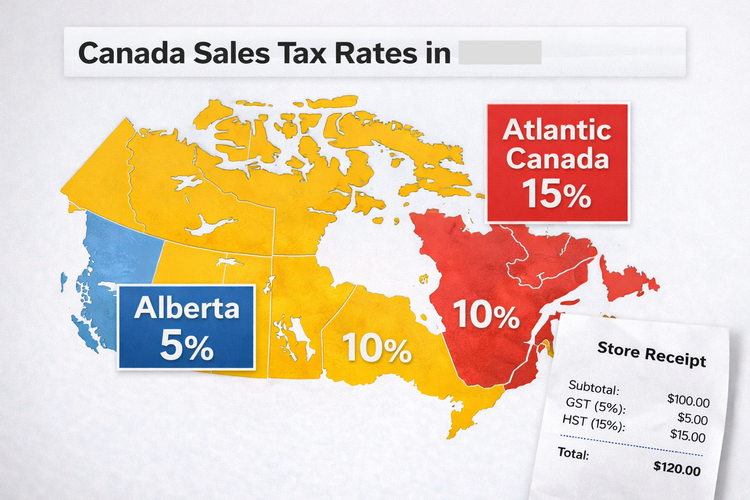
- The Rule: If you drive passengers (Uber/Lyft), you must register for a GST/HST number immediately, regardless of whether you earn $1 or $30,000.
- The Delivery Exception: If you only do food delivery (Skip, UberEats), you don't need to register until you cross the $30,000 threshold.
- The Strategy: Registering allows you to claim "Input Tax Credits" (ITCs). This means you get the GST you paid on your gas and car repairs back from the government.
- Innerlink: Use our GST/HST Registry Search Guide to ensure your business number is set up correctly before tax season hits its peak.
Uber SkipTheDishes Tax Deductions
What can I write off for Uber and SkipTheDishes in Canada for 2026? Gig workers in Canada can deduct a wide range of expenses to reduce their taxable income, including vehicle costs (gas, insurance, maintenance, and depreciation), phone expenses (a portion of your monthly data plan), and equipment (phone mounts, insulated delivery bags, and dashcams). To maximize your refund, you must maintain a contemporaneous mileage log and keep all receipts. If you drive passengers, you must also register for a GST/HST number to claim "Input Tax Credits" on your business-related purchases.
Frequently Asked Questions (FAQ)
Q: Can I deduct the cost of my lunch while I am working?
A: Generally, No. The CRA considers your lunch a "personal expense." You can only deduct meals if you are required to travel away from your "metropolitan area" for at least 12 hours.
Q: What if I use my car for 50% personal and 50% Uber?
A: You simply multiply your total car expenses by 0.50. This is why the Mileage Log is so important; it proves that 50% split to the CRA.
Q: Can I claim my car insurance?
A: Yes, but only the business portion. Warning: Ensure you have told your insurance company you are driving for hire. If you have "standard" insurance and get in an accident while on the app, they may deny your claim.
Q: Do I have to pay CPP on my Uber earnings?
A: Yes. As a self-employed person, you are responsible for both the employee and employer portions of the Canada Pension Plan (CPP). This is calculated on your tax return.
About the Author
Jeff Calixte (MC Yow-Z) is a Canadian labour market researcher and digital entrepreneur specializing in government benefit data and cost-of-living support. As the founder of CanadaPaymentDates.ca and BetterPayJobs.ca, Jeff helps newcomers, students, and workers navigate the Canadian social safety net—from tracking CRA payment schedules to finding entry-level work.
Sources
- CRA: T2125 Statement of Business or Professional Activities
- CRA: Guide for Ride-sharing and Food Delivery Drivers
- TurboTax Canada: Tax Tips for Uber and SkipTheDishes Drivers
Note
Official 2026 payment dates and benefit amounts are determined by the Canada Revenue Agency (CRA) and provincial governments. While we strive to keep this information current, government policies and schedules are subject to change without notice. All data in this guide is verified against official CRA circulars at the time of publication and should be treated as an estimate. We recommend confirming the status of your personal file directly via CRA My Account or by calling the CRA benefit line at 1-800-387-1193.