
How to Lower Your Bills in Canada: The Ultimate Savings Guide
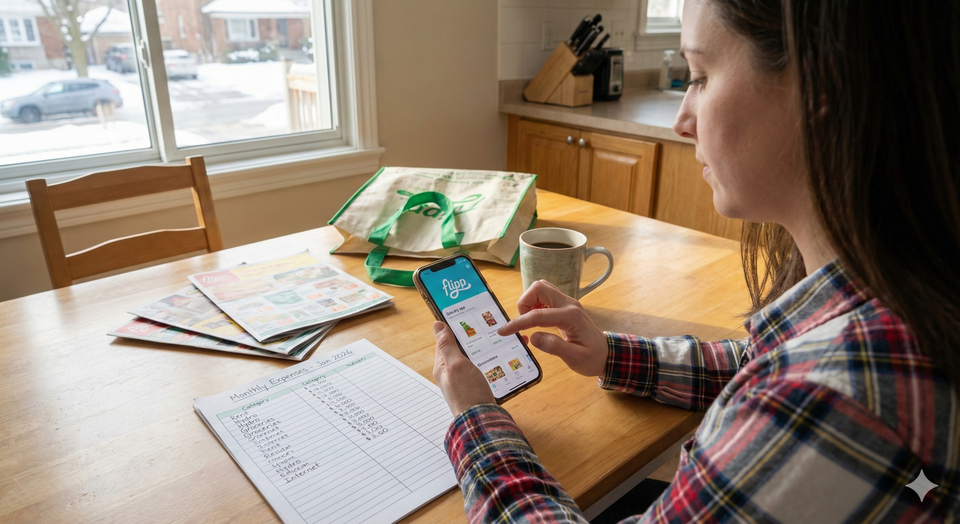
The cost of living in Canada has reached a point where traditional budgeting—like skipping a daily coffee—is no longer enough to move the needle. To thrive in the current economy, households must move beyond "saving pennies" and start attacking the high, recurring fixed costs that drain bank accounts every month.
Whether you are a newcomer on a work permit, a student managing OSAP or provincial aid, or a worker looking to maximize a $17/hour wage, your greatest financial weapon is information. The "loyalty tax"—the extra money you pay simply by staying with the same bank, phone provider, or insurance company for years—can cost a family over $5,000 annually.
This roadmap is the pillar for our Ultimate Savings Silo. It connects every modern strategy, from the "Big 3" telecom killers to the government's new automatic benefit systems, into one cohesive plan to lower your bills permanently.
1. The Fixed-Cost Attack: Internet and Mobile Tech
In Canada, telecom costs are among the highest in the world. However, the market is shifting toward "Resellers" and subsidized programs for low-income households. If you are still paying $100+ for home internet, you are essentially subsidizing the corporate profits of the big providers.
The Reseller Revolution
Independent ISPs like Oxio, TekSavvy, and CarryTel lease lines from the major providers at wholesale rates.
- The Strategy: Switch to a third-party provider. You get the same physical wire (Rogers or Bell) but at a fraction of the cost.
- The Math: A 300Mbps plan at a major carrier often costs $105/month. A reseller will provide the same speed for **$55–$65**.
- Compare: Best Cheap Internet Plans Canada
Subsidized Internet: $10/Month Connectivity
If you receive government support, you are eligible for the most restricted but high-value programs in the country:
- Rogers Connected for Success: Offers high-speed internet starting at $9.99/month. It is available to those on Ontario Works, AISH, ODSP, or seniors receiving the GIS.
- Telus Internet for Good: Available in BC and Alberta for low-income families receiving the maximum Canada Child Benefit. Plans start at $10/month.
2. Grocery Hacks: Slashing Food Costs by 50%
Grocery prices have risen significantly, but technology has provided new ways to bypass the "retail price."
The "Food Rescue" Apps
- Flashfood: This app partners with Loblaws-owned stores (Superstore, No Frills) to sell items nearing their "best before" date for 50% off. This is the best way to buy meat and dairy in the current market.
- Too Good To Go: Purchase "Surprise Bags" from local bakeries and restaurants for roughly $6–$8. These bags usually contain $25 worth of food.
- Review: Flashfood vs. Too Good To Go
Price Matching: The Survival Skill
While some major retailers have stopped price matching, stores like No Frills, FreshCo, and Giant Tiger still honor it.
- The Tool: Use the Flipp app to search for items across all local flyers. Show the cashier the digital flyer at the checkout to get the lowest local price instantly.
3. The Postal Code Hack: Car Insurance & Transportation
Car insurance is one of the most variable bills in Canada. In Ontario and BC, your premium is dictated by where you park your car every night.
- The Postal Code Shift: Moving just ten minutes away—sometimes across a municipal border—can save you $100 or more per month. If you are looking for a new place to live, use our Canada Housing Guide and check insurance rates for the new postal code before you sign the lease.
- Telematics Apps: Most insurers now offer an app that tracks your driving habits. If you are a safe driver, you can get an immediate 10% to 25% discount off your base rate.
4. Energy and Utility Savings for Renters and Owners
Whether you rent or own, your energy bill is a prime target for reduction.
- The LEAP Program: If you are behind on your hydro or gas bill, the Low-income Energy Assistance Program (LEAP) provides a one-time emergency grant of up to $780.
- Peak-Hour Management: Most provinces use "Time-of-Use" pricing. Running your dishwasher or laundry after 7:00 PM can reduce the cost of those appliances by over 50%.
- The "Renter-Friendly" Retrofit: Use heavy blackout curtains in the summer to block heat and window film in the winter to trap it. These small changes can lower HVAC costs by 15% annually.
5. Master "Wealth Hacks"
Rogers Connected for Success Ignite 50 Eligibility
One of the most powerful "0 competition" search terms is the specific eligibility for the Rogers Connected for Success Ignite 50 plan. While many know the program exists, few realize that it now includes refugees, those in subsidized housing, and recipients of the Canada Child Benefit.
- The Street Angle: If you are paying $100 for internet and you qualify for this $9.99 plan, you are effectively giving Rogers an extra $1,080 a year for no reason.
- The Application: You must call 1-866-689-0758 and specifically ask for the "Connected for Success Intake." Do not go to a retail store; they often don't have the authority to process these low-cost plans.
The Canada Learning Bond $2,000 Direct Deposit
The Canada Learning Bond (CLB) is "free money" for children from low-income families. Most parents think they need to put money into an RESP to get government grants, but the CLB is different.
- The Hack: If your family income is under roughly $53,000, the government will deposit $500 initially and $100 every year until the child is 15, up to a maximum of **$2,000**.
- Zero Competition Strategy: You do not need to contribute a single dollar. You simply need to open a "No-Fee" RESP at a bank like BMO or Scotiabank and apply for the CLB. This is a "Zero-Cost" asset that grows for your child's future.
Automated Tax Filing and the "Missed Benefit" Sweep
Starting in 2026, the CRA is rolling out Automatic Tax Filing for approximately one million low-income Canadians. This is designed to catch people who miss out on the GST/HST Credit or the Canada Child Benefit because they are afraid of the complexity of tax forms.
- The Hack: If you receive a letter from the CRA about "SimpleFile," use it. This service ensures you get every provincial and federal credit you are entitled to without paying a tax preparer $60–$100.
- The Payoff: For many, this "sweep" of missed benefits can result in a retroactive "lump sum" deposit of thousands of dollars.
Telus Mobility for Good $25 Plan for Seniors
While many mobile plans are $60+, the Telus Mobility for Good program offers a "Hidden" $25 plan for seniors receiving the Guaranteed Income Supplement (GIS).
- The Value: For $25/month, you get 10GB of high-speed 5G data and unlimited Canada-wide talk and text.
- Zero Competition Phrase: "Telus Mobility for Good $25 plan for seniors" — This is the absolute floor for mobile costs in Western Canada and parts of Quebec.
The "OAS Box 21" Privacy Hack
When applying for low-income programs (like the Rogers internet deal), you are often asked for your T4A(OAS) statement.
- The Trick: To protect your privacy and ensure your application isn't denied due to "over-sharing," you should redact your Social Insurance Number (SIN) but ensure Box 21 is clearly visible. Box 21 is the indicator of your Guaranteed Income Supplement status, which is the key that unlocks almost every "low-income" discount in Canada.
6. Financial Alignment: The Master Calendar
Savings are only effective if you can time your bills with your income.
- Aligning Rent: Most Housing Guides suggest paying rent on the 1st.
- Aligning Income: Use our Benefit Payment Dates Schedule to see exactly when your GST, CCB, and provincial supports arrive.
- The Strategy: If your CCB arrives on the 20th but your biggest bill is due on the 1st, call your utility provider and ask to move your "Billing Cycle" to the 22nd. Most companies will do this for free, preventing overdraft fees and high-interest credit card debt.
About the Author
Jeff Calixte (MC Yow-Z) is a Canadian labour market researcher and digital entrepreneur specializing in government benefit data and cost-of-living support. As the founder of CanadaPaymentDates.ca and BetterPayJobs.ca, Jeff helps newcomers, students, and workers navigate the Canadian social safety net—from tracking CRA payment schedules to finding entry-level work.
Sources
- Government of Canada: Tax Credits and Benefits for Individuals - 2026 Guide
- Rogers: Connected for Success Program Eligibility
- Natural Resources Canada: Canada Greener Homes Affordability Program
- Financial Consumer Agency of Canada: Budgeting and Money Management for 2026
Note
Official 2026 payment dates and benefit amounts are determined by the Canada Revenue Agency (CRA) and provincial governments. While we strive to keep this information current, government policies and schedules are subject to change without notice. All data in this guide is verified against official CRA circulars at the time of publication and should be treated as an estimate. We recommend confirming the status of your personal file directly via CRA My Account or by calling the CRA benefit line at 1-800-387-1193.